Leaders of the Paddock: Sir Frank Williams - Leadership, Resilience and the Pursuit of Independent Excellence
Introduction: The Most Relentless Leader in Formula One™️
Few leaders in global sport, or business, embody resilience, independence and purpose-driven leadership like Sir Frank Williams. In a paddock increasingly dominated by manufacturers, conglomerates and corporate ownership, Williams stood almost alone as a fiercely independent constructor who built one of Formula One®’s most successful teams from nothing but belief, grit and an unyielding refusal to quit.
For senior business leaders, Sir Frank’s story is not simply a motorsport biography. It is a case study in founder-led organisations, capital constraints, crisis leadership, governance trade-offs, and the cost of uncompromising vision. Williams Grand Prix Engineering became a world-beating organisation not because it had the most resources, but because it was relentlessly clear about what it existed to do: win races through engineering excellence.
This article explores Sir Frank Williams not as a romantic underdog, but as a leader whose strengths and weaknesses offer enduring lessons for modern executives navigating performance pressure, organisational scale and legacy.
For the full article and many more, subscribe to our online Knowledge Hub Motorsport To Business®+
Leaders of the Paddock: Sir Frank Williams - Leadership, Resilience and the Pursuit of Independent Excellence
Introduction: The Most Relentless Leader in Formula One™️
Few leaders in global sport, or business, embody resilience, independence and purpose-driven leadership like Sir Frank Williams. In a paddock increasingly dominated by manufacturers, conglomerates and corporate ownership, Williams stood almost alone as a fiercely independent constructor who built one of Formula One®’s most successful teams from nothing but belief, grit and an unyielding refusal to quit.
For senior business leaders, Sir Frank’s story is not simply a motorsport biography. It is a case study in founder-led organisations, capital constraints, crisis leadership, governance trade-offs, and the cost of uncompromising vision. Williams Grand Prix Engineering became a world-beating organisation not because it had the most resources, but because it was relentlessly clear about what it existed to do: win races through engineering excellence.
This article explores Sir Frank Williams not as a romantic underdog, but as a leader whose strengths and weaknesses offer enduring lessons for modern executives navigating performance pressure, organisational scale and legacy.
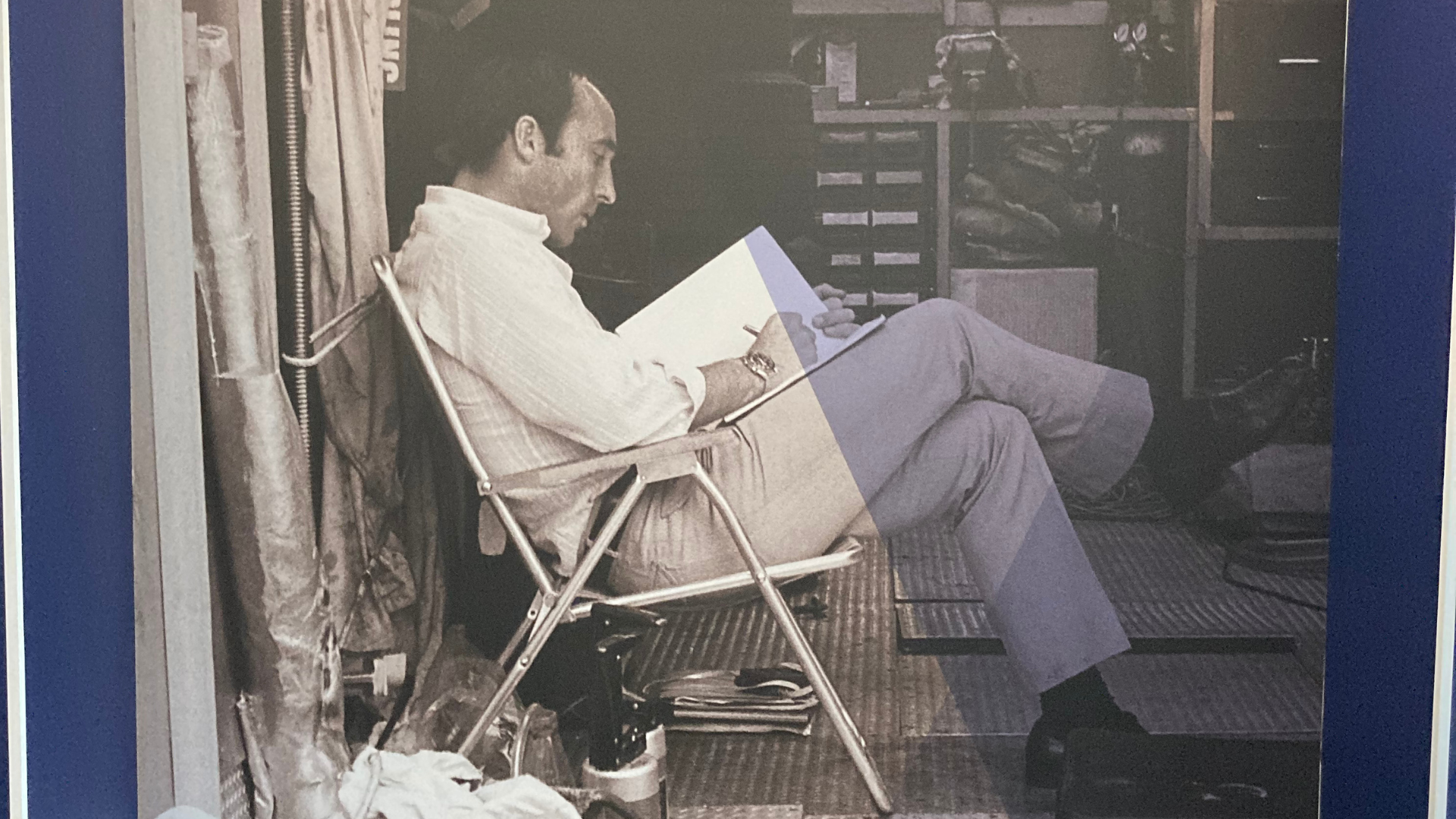
The picture that sits in the entrance of the Williams Experience Centre at the team's HQ in Wantage, Oxfordshire
Origins: Ambition Without Advantage
Frank Williams did not arrive in Formula One™️ with pedigree, capital or connections. Born in 1942, his early life offered little indication of future sporting dominance. His entry into racing was driven by obsession rather than opportunity, a recurring theme that would define his leadership style.
By the late 1960s and early 1970s, Williams was already learning hard lessons familiar to entrepreneurs:
Chronic undercapitalisation
Dependence on sponsors and partners
Personal financial risk
Repeated failure without exit options
His early teams were fragile, surviving season to season. Cars were often uncompetitive, logistics chaotic, and Williams himself at times slept in airports and drove trucks overnight to make races. Yet even in this period, a defining leadership trait emerged: absolute commitment to the mission, regardless of personal cost.
Business Insight: Founder Obsession as a Competitive Weapon
In early-stage organisations, obsession can compensate for lack of capital but it also creates vulnerability. Williams’ refusal to abandon Formula One® mirrors founders who persist through repeated pivots and near-bankruptcy, ultimately building asymmetric advantage through experience others never accumulate.
Building Williams Grand Prix Engineering: Structure Over Charisma
The turning point came in 1977 with the founding of Williams Grand Prix Engineering, alongside engineer Patrick Head. This partnership is one of the most underappreciated leadership duos in sport.
Williams was not the technical visionary. He was the organiser, the motivator, the external force. Head provided engineering clarity, discipline and execution. Together they built an organisation defined by:
Clear role separation
Respect for technical authority
Minimal ego-driven interference
Relentless focus on performance metrics
By 1980, Williams had won its first Drivers’ and Constructors’ Championships. Over the next two decades, the team would secure 9 Constructors’ Championships and 7 Drivers’ Championships, becoming the most successful independent team in F1™️ history.
Leadership Lesson: Know What You Are Not
Unlike many founder-leaders, Williams did not attempt to dominate every domain. His leadership strength lay in empowering excellence rather than overshadowing it. Modern executives can draw a clear parallel with leaders who create conditions for elite performance rather than positioning themselves as the smartest person in the room.
The 1986 Accident: Crisis, Identity and Organisational Continuity
Sir Frank Williams’ leadership was defined irrevocably by his near-fatal car accident in 1986, which left him tetraplegic.
From a business perspective, this moment represented an existential crisis:
Founder incapacitated
Unclear succession
Emotional shock across the organisation
External doubts about viability
Yet Williams returned to the paddock within months.
He led from a wheelchair with the same intensity, expectations and presence as before. Importantly, the organisation did not pause or soften its standards. Williams Grand Prix Engineering continued to win championships in the years that followed.
Business Insight: Continuity Over Sympathy
Sir Frank refused to allow personal adversity to redefine organisational ambition. This decision, controversial to some, reinforced a culture where performance remained sacred. In corporate terms, it demonstrated the power of institutional identity over individual circumstance.
Culture: Ruthless Meritocracy
Williams’ internal culture was uncompromising. Drivers, engineers and executives were replaceable if performance declined. Sentiment rarely influenced decision-making.
Notable examples include:
Letting world champions go without hesitation
Prioritising car development over star drivers
Refusing to subordinate the team to individual brand power
This approach delivered results but also created reputational challenges. Critics labelled Williams cold, inflexible, even ungrateful.
Leadership Trade-Off: Performance vs Loyalty
For senior leaders, Williams represents a case study in hard-edged meritocracy. While such cultures can drive elite outcomes, they demand exceptional clarity, fairness and communication to avoid disengagement.
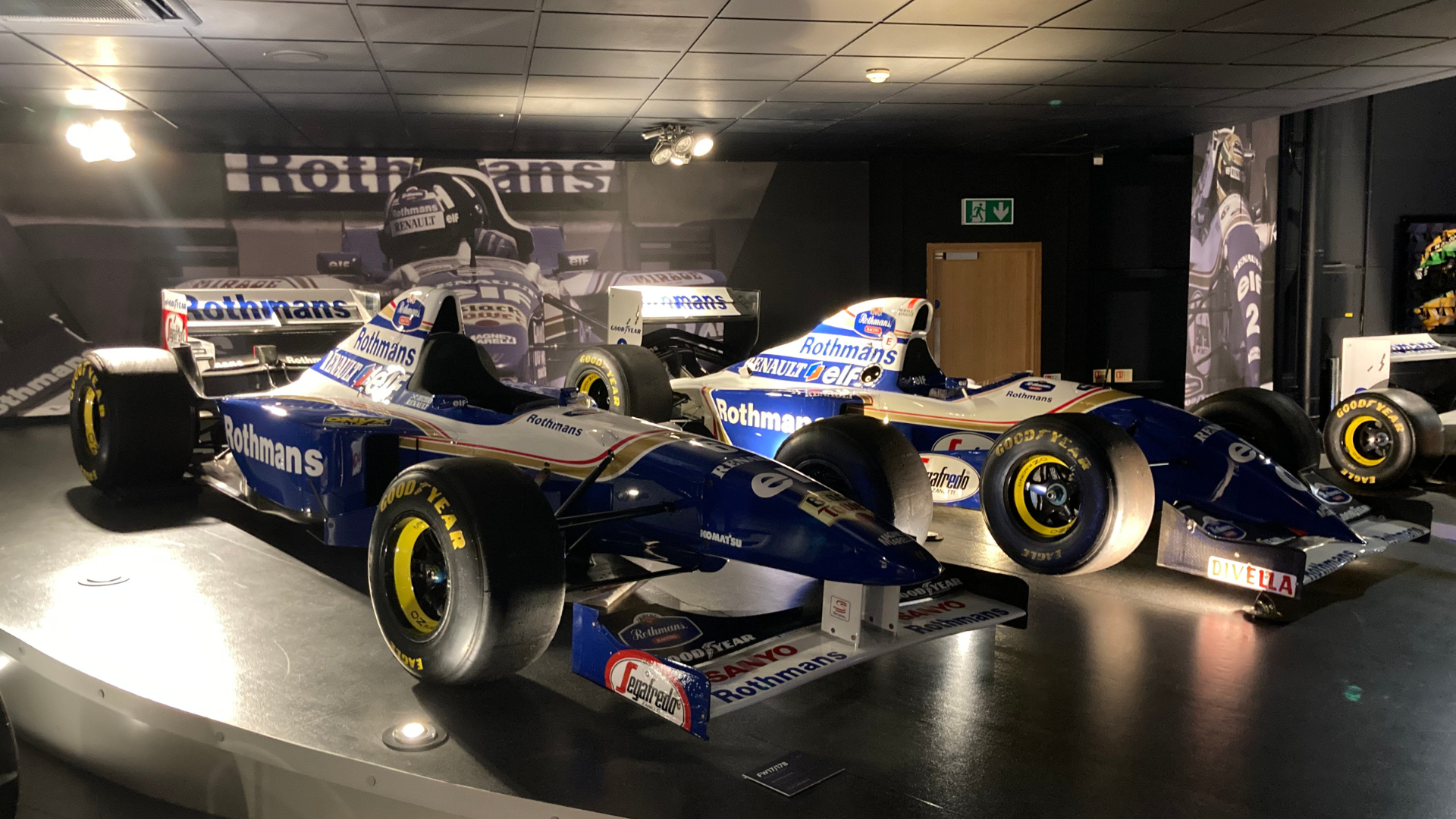
The Williams team would dominate Formula One™️ in the 80s and 90s (picture: Nick Butcher)
Governance, Ownership and the Cost of Independence
Williams’ fierce independence was both his greatest strength and his ultimate limitation.
As Formula One® evolved into a commercial and political battleground, manufacturer-backed teams gained structural advantages. The Williams family, now under the leadership of daughter Claire Williams, resisted selling, diluting control or becoming a subsidiary. The organisation remained family-owned, values-led and resistant to external influence.
This independence preserved identity but constrained capital access, technology partnerships and long-term competitiveness.
The eventual sale of Williams in 2020 marked the end of an era.
Business Insight: When Values Become Constraints
Sir Frank’s story raises a critical leadership question: When does protecting identity begin to limit strategic viability?For founders and family-owned enterprises, this tension is universal.
Legacy: What Sir Frank Williams Teaches Business Leaders
Sir Frank Williams leaves behind more than trophies. His legacy offers enduring lessons:
Resilience is a strategic asset
Structure beats charisma at scale
Performance cultures require moral courage
Independence has a price, and a value
Founders must plan for a future beyond themselves
Williams proved that leadership is not about comfort, popularity or narrative. It is about commitment to purpose, clarity of standards and the willingness to endure.
For senior business leaders, Sir Frank Williams remains one of the purest examples of leadership forged under pressure, and sustained through adversity.
Leaders of the Paddock: Sir Frank Williams - Leadership, Resilience and the Pursuit of Independent Excellence
Introduction: The Most Relentless Leader in Formula One™️
Few leaders in global sport, or business, embody resilience, independence and purpose-driven leadership like Sir Frank Williams. In a paddock increasingly dominated by manufacturers, conglomerates and corporate ownership, Williams stood almost alone as a fiercely independent constructor who built one of Formula One®’s most successful teams from nothing but belief, grit and an unyielding refusal to quit.
For senior business leaders, Sir Frank’s story is not simply a motorsport biography. It is a case study in founder-led organisations, capital constraints, crisis leadership, governance trade-offs, and the cost of uncompromising vision. Williams Grand Prix Engineering became a world-beating organisation not because it had the most resources, but because it was relentlessly clear about what it existed to do: win races through engineering excellence.
This article explores Sir Frank Williams not as a romantic underdog, but as a leader whose strengths and weaknesses offer enduring lessons for modern executives navigating performance pressure, organisational scale and legacy.
The picture that sits in the entrance of the Williams Experience Centre at the team's HQ in Wantage, Oxfordshire
Origins: Ambition Without Advantage
Frank Williams did not arrive in Formula One™️ with pedigree, capital or connections. Born in 1942, his early life offered little indication of future sporting dominance. His entry into racing was driven by obsession rather than opportunity, a recurring theme that would define his leadership style.
By the late 1960s and early 1970s, Williams was already learning hard lessons familiar to entrepreneurs:
Chronic undercapitalisation
Dependence on sponsors and partners
Personal financial risk
Repeated failure without exit options
His early teams were fragile, surviving season to season. Cars were often uncompetitive, logistics chaotic, and Williams himself at times slept in airports and drove trucks overnight to make races. Yet even in this period, a defining leadership trait emerged: absolute commitment to the mission, regardless of personal cost.
Business Insight: Founder Obsession as a Competitive Weapon
In early-stage organisations, obsession can compensate for lack of capital but it also creates vulnerability. Williams’ refusal to abandon Formula One® mirrors founders who persist through repeated pivots and near-bankruptcy, ultimately building asymmetric advantage through experience others never accumulate.
Building Williams Grand Prix Engineering: Structure Over Charisma
The turning point came in 1977 with the founding of Williams Grand Prix Engineering, alongside engineer Patrick Head. This partnership is one of the most underappreciated leadership duos in sport.
Williams was not the technical visionary. He was the organiser, the motivator, the external force. Head provided engineering clarity, discipline and execution. Together they built an organisation defined by:
Clear role separation
Respect for technical authority
Minimal ego-driven interference
Relentless focus on performance metrics
By 1980, Williams had won its first Drivers’ and Constructors’ Championships. Over the next two decades, the team would secure 9 Constructors’ Championships and 7 Drivers’ Championships, becoming the most successful independent team in F1™️ history.
Leadership Lesson: Know What You Are Not
Unlike many founder-leaders, Williams did not attempt to dominate every domain. His leadership strength lay in empowering excellence rather than overshadowing it. Modern executives can draw a clear parallel with leaders who create conditions for elite performance rather than positioning themselves as the smartest person in the room.
The 1986 Accident: Crisis, Identity and Organisational Continuity
Sir Frank Williams’ leadership was defined irrevocably by his near-fatal car accident in 1986, which left him tetraplegic.
From a business perspective, this moment represented an existential crisis:
Founder incapacitated
Unclear succession
Emotional shock across the organisation
External doubts about viability
Yet Williams returned to the paddock within months.
He led from a wheelchair with the same intensity, expectations and presence as before. Importantly, the organisation did not pause or soften its standards. Williams Grand Prix Engineering continued to win championships in the years that followed.
Business Insight: Continuity Over Sympathy
Sir Frank refused to allow personal adversity to redefine organisational ambition. This decision, controversial to some, reinforced a culture where performance remained sacred. In corporate terms, it demonstrated the power of institutional identity over individual circumstance.
Culture: Ruthless Meritocracy
Williams’ internal culture was uncompromising. Drivers, engineers and executives were replaceable if performance declined. Sentiment rarely influenced decision-making.
Notable examples include:
Letting world champions go without hesitation
Prioritising car development over star drivers
Refusing to subordinate the team to individual brand power
This approach delivered results but also created reputational challenges. Critics labelled Williams cold, inflexible, even ungrateful.
Leadership Trade-Off: Performance vs Loyalty
For senior leaders, Williams represents a case study in hard-edged meritocracy. While such cultures can drive elite outcomes, they demand exceptional clarity, fairness and communication to avoid disengagement.
The Williams team would dominate Formula One™️ in the 80s and 90s (picture: Nick Butcher)
Governance, Ownership and the Cost of Independence
Williams’ fierce independence was both his greatest strength and his ultimate limitation.
As Formula One® evolved into a commercial and political battleground, manufacturer-backed teams gained structural advantages. The Williams family, now under the leadership of daughter Claire Williams, resisted selling, diluting control or becoming a subsidiary. The organisation remained family-owned, values-led and resistant to external influence.
This independence preserved identity but constrained capital access, technology partnerships and long-term competitiveness.
The eventual sale of Williams in 2020 marked the end of an era.
Business Insight: When Values Become Constraints
Sir Frank’s story raises a critical leadership question: When does protecting identity begin to limit strategic viability?For founders and family-owned enterprises, this tension is universal.
Legacy: What Sir Frank Williams Teaches Business Leaders
Sir Frank Williams leaves behind more than trophies. His legacy offers enduring lessons:
Resilience is a strategic asset
Structure beats charisma at scale
Performance cultures require moral courage
Independence has a price, and a value
Founders must plan for a future beyond themselves
Williams proved that leadership is not about comfort, popularity or narrative. It is about commitment to purpose, clarity of standards and the willingness to endure.
For senior business leaders, Sir Frank Williams remains one of the purest examples of leadership forged under pressure, and sustained through adversity.


.jpeg)










.png)
.png)
.png)
.png)