Leaders of the Paddock: Ron Dennis - Precision, Control and the Corporate Transformation
Introduction: The Executive Who Rewired Formula One™️
If Sir Frank Williams represented resilience and founder grit, Ron Dennis embodied something altogether different: control. Where others relied on instinct, relationships or heroic improvisation, Dennis applied systems, process and corporate discipline to a sport historically defined by chaos.
For senior business leaders, Ron Dennis is one of the most relevant figures in elite motorsport history. His tenure at McLaren mirrors the journey many organisations face as they scale: the move from entrepreneurial excellence to institutional performance, from intuition to repeatable systems, and from founder dominance to complex governance.
Dennis did not simply lead a Formula One™️ team. He re-engineered what a Formula One™️ organisation could be, borrowing heavily from aerospace, automotive manufacturing and corporate governance models. The results were extraordinary - but not without cost.
For the full article and many more, subscribe to our online Knowledge Hub Motorsport To Business®+
Leaders of the Paddock: Ron Dennis - Precision, Control and the Corporate Transformation
Introduction: The Executive Who Rewired Formula One™️
If Sir Frank Williams represented resilience and founder grit, Ron Dennis embodied something altogether different: control. Where others relied on instinct, relationships or heroic improvisation, Dennis applied systems, process and corporate discipline to a sport historically defined by chaos.
For senior business leaders, Ron Dennis is one of the most relevant figures in elite motorsport history. His tenure at McLaren mirrors the journey many organisations face as they scale: the move from entrepreneurial excellence to institutional performance, from intuition to repeatable systems, and from founder dominance to complex governance.
Dennis did not simply lead a Formula One™️ team. He re-engineered what a Formula One™️ organisation could be, borrowing heavily from aerospace, automotive manufacturing and corporate governance models. The results were extraordinary - but not without cost.
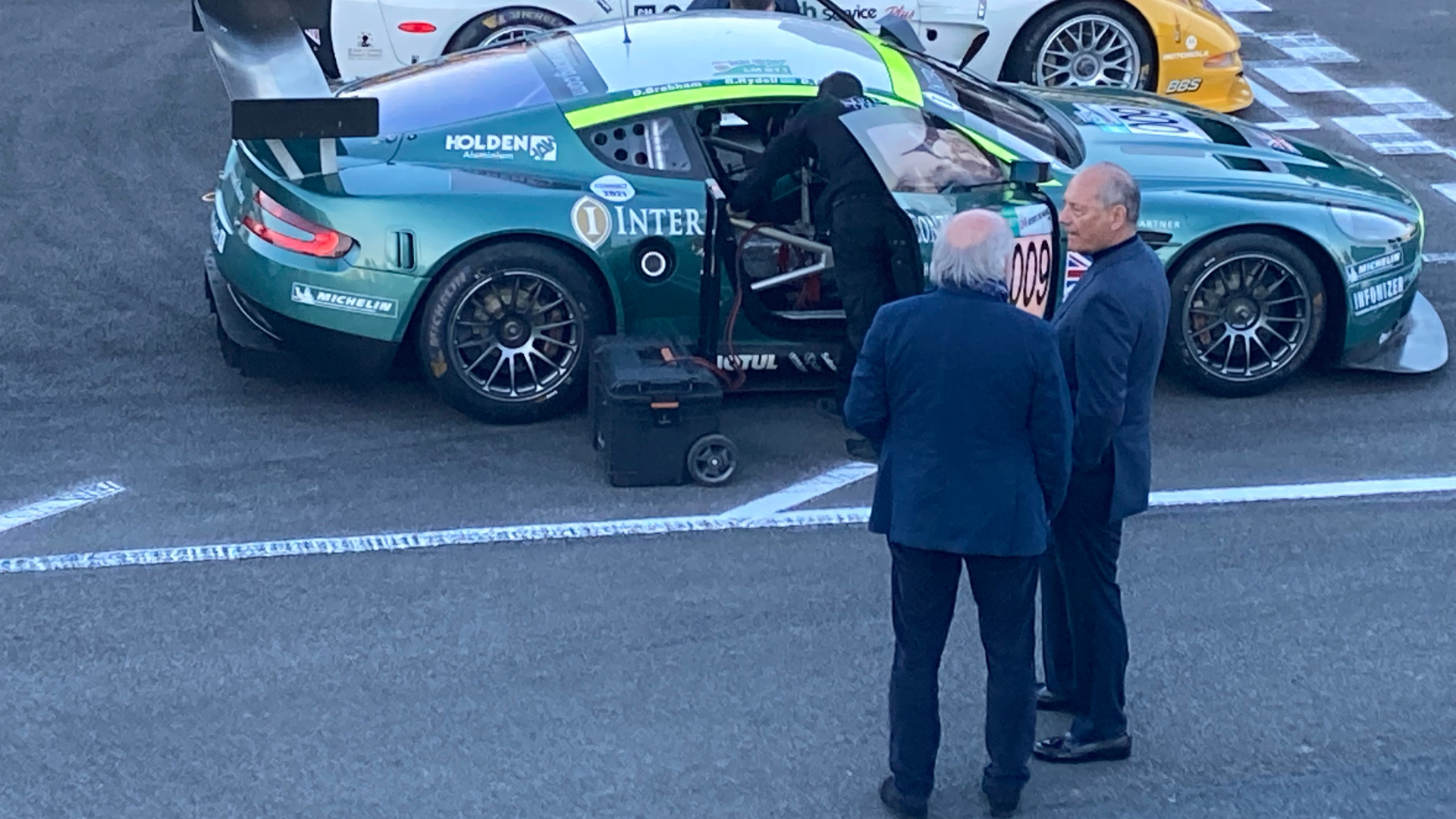
Ron Dennis stands with Chairman of Motorsport UK Dave Richards at Goodwood Members Meeting (picture: Nick Butcher)
From Mechanic to Mastermind: Authority Earned Through Competence
Ron Dennis did not enter Formula One® as a visionary owner or charismatic leader. He began as a mechanic, developing an almost forensic obsession with detail, cleanliness and correctness. This background shaped his leadership philosophy: authority came not from title, but from technical and operational credibility.
By the late 1970s, Dennis had founded Project Four Racing, applying an unprecedented level of order to junior formula racing. Cars were immaculate. Processes were documented. Performance was measured relentlessly.
This approach attracted McLaren, then a struggling but prestigious name. The 1981 merger between McLaren and Project Four marked the beginning of a new era - not just for the team, but for Formula One™️ as a whole.
Business Insight: Credibility Scales Faster Than Charisma
For executives rising through technical or operational ranks, Dennis demonstrates how deep domain mastery can form the foundation for long-term authority, particularly in performance-critical environments.
McLaren Rebuilt: Systems Over Stars
Dennis’ first act at McLaren was cultural transformation. He rejected the romanticism of racing folklore and replaced it with process discipline.
Key changes included:
Aerospace-grade quality standards
Rigorous documentation and repeatability
Clear reporting lines and accountability
Facilities that reflected precision and professionalism
The McLaren Technology Centre later became the physical embodiment of this philosophy: pristine, controlled, almost clinical.
This systems-led approach enabled McLaren to extract extraordinary performance from talent. Drivers like Niki Lauda, Alain Prost, Ayrton Senna, Mika Häkkinen and Lewis Hamilton flourished within a structure that demanded clarity and consistency.
Leadership Lesson: Talent Thrives in Predictable Environments
While elite performers often resist constraint, Dennis showed that clear systems can amplify genius - provided they are applied fairly and consistently.
The TAG-Porsche and Honda Years: Strategic Partnerships as Force Multipliers
One of Ron Dennis’ greatest strengths was his ability to form deep, strategic partnerships.
The TAG-Porsche turbo programme in the 1980s and later the dominant Honda partnership demonstrated Dennis’ understanding of alignment:
Shared technical objectives
Long-term investment horizons
Mutual brand enhancement
Unlike transactional sponsorships, these relationships were structured as integrated ecosystems. McLaren did not simply receive engines - it co-developed them.
Business Insight: Partners Must Be Architected, Not Managed
Dennis treated partnerships as organisational extensions. For senior leaders, this highlights the difference between vendors and true strategic allies.
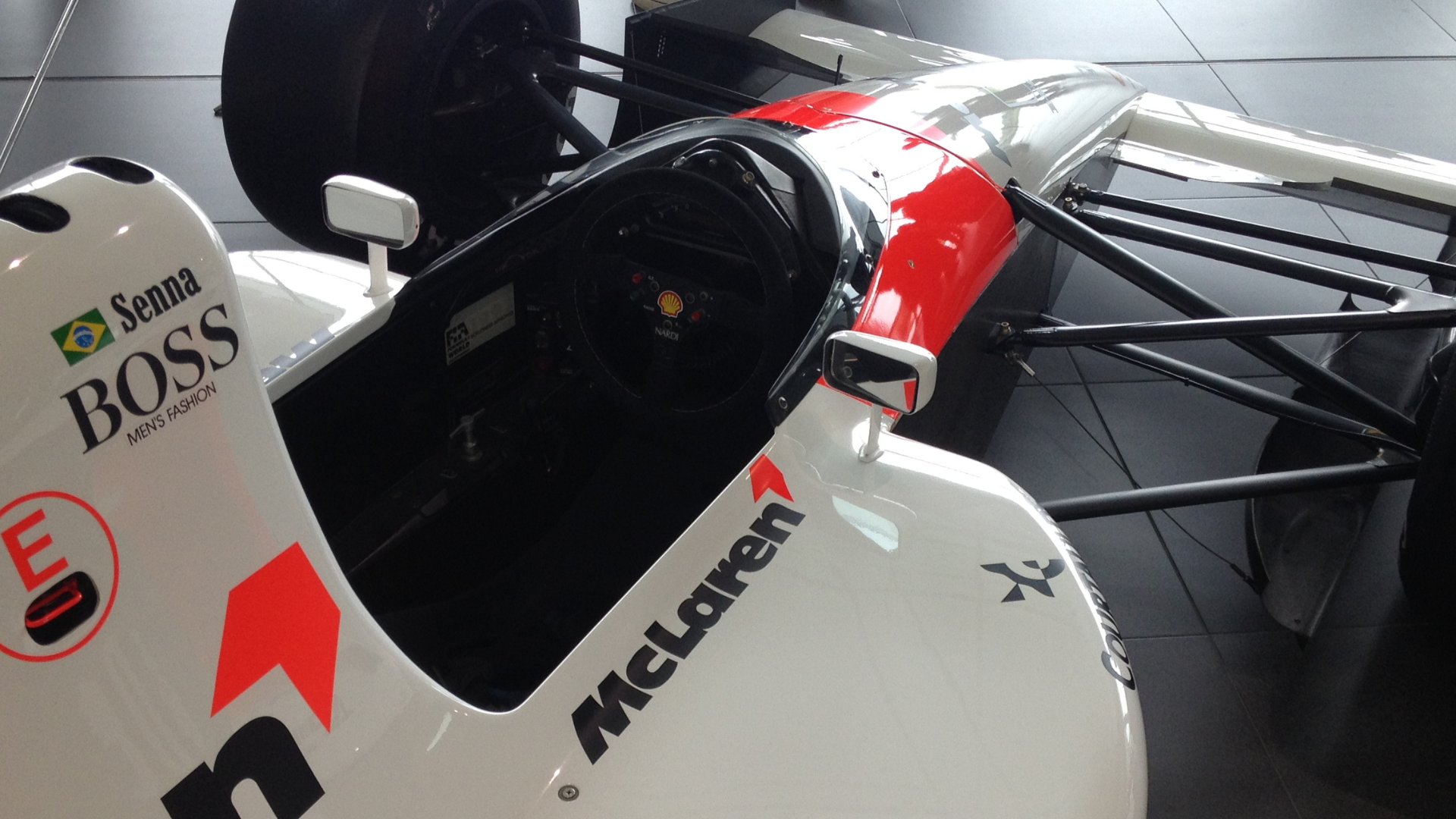
Drivers such as Ayrton Senna would see the team achieve huge success in the 1980s and early 1990s (picture: Nick Butcher)
Precision Culture: Excellence or Suffocation?
Dennis’ leadership created one of the most successful teams in F1™️ history. Between 1984 and 1991 alone, McLaren won 7 Constructors’ Championships.
However, the same precision that delivered dominance also introduced rigidity.
Former employees often described McLaren as intimidating, unforgiving and emotionally distant. Creativity existed, but only within tightly defined boundaries.
As Formula One® evolved toward faster innovation cycles and more ambiguous regulation, this rigidity began to show.
Leadership Trade-Off: Control vs Adaptability
Dennis’ story illustrates a classic executive dilemma: the systems that enable scale can later inhibit agility if not consciously re-evaluated.
Talent, Conflict and Power Dynamics
Ron Dennis was exceptional at attracting talent, but less effective at retaining dissenting voices.
High-profile conflicts with drivers, engineers and executives reflected a leadership style intolerant of ambiguity or shared authority. Dennis expected alignment, not debate.
This approach worked while he retained absolute control. As governance structures grew more complex, it became a liability.
Business Insight: Psychological Safety Is a Strategic Asset
Elite performance organisations require challenge as well as compliance. Dennis’ experience shows the risk of confusing alignment with silence.
Governance, Shareholders and the Loss of Control
The Mercedes partnership, initially a masterstroke, eventually altered McLaren’s power dynamics with the German Manufacturer owning a 40% stake in the team.
As ownership diversified, Dennis transitioned from founder-controller to executive-in-a-system. His leadership style, optimised for command, struggled in an environment requiring negotiation and compromise.
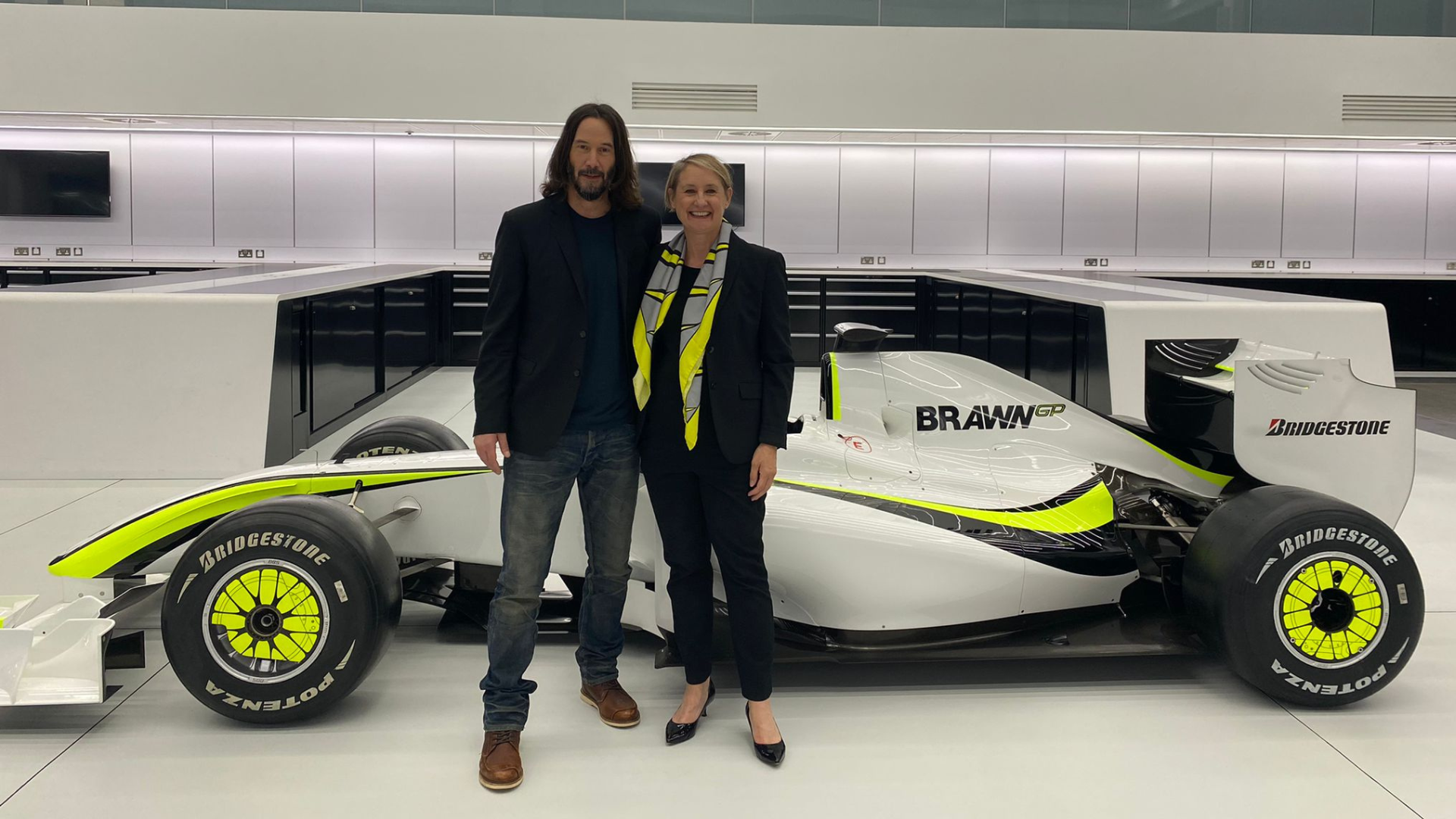
Between 2007 and 2009, the team would go through a number of scandals such as "Spygate", where the documents of the Ferrari Formula One® car where leaked to members of the McLaren team and "Liegate" which led to Lewis Hamilton being disqualified from the 2009 Australian Grand Prix for providing "deliberately misleading" evidence to race stewards. These would see Dennis step away from the day to day running of the Formula One™️ team and focusing on McLaren's automotive division. Mercedes on the other hand would de-vest in the team and take over rivals Brawn GP to form Mercedes AMG F1.
After a brief return, ultimately in 2016, Dennis was forced out of McLaren.
Leadership Lesson: Founders Must Evolve or Exit
Dennis’ departure underscores a critical truth: leadership styles that build organisations are not always the ones that sustain them under shared governance.
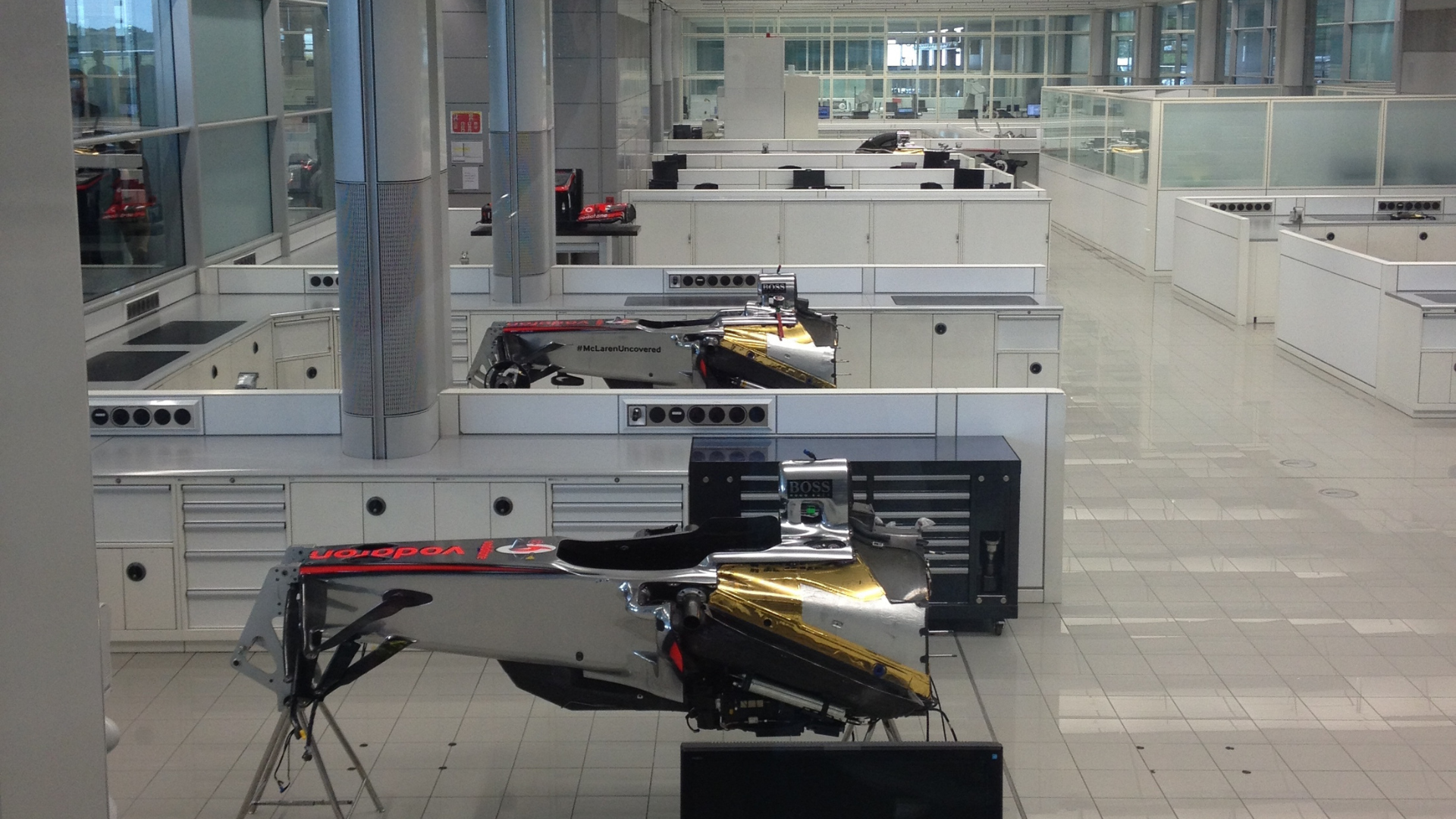
Opened in 2004, the MTC stands testiment to Ron Dennis' legacy with McLaren (picture: Nick Butcher)
Legacy: What Ron Dennis Teaches Senior Leaders
Ron Dennis leaves behind a profound legacy:
Systems create repeatable excellence
Precision is a cultural choice
Partnerships can redefine scale
Control delivers performance - but limits empathy
Governance changes the leadership equation
Dennis transformed Formula One® into a corporate, technology-driven enterprise. His leadership offers enduring lessons for executives navigating scale, complexity and power.
In business, as in racing, perfection is powerful - but only when paired with adaptability.
Leaders of the Paddock: Ron Dennis - Precision, Control and the Corporate Transformation
Introduction: The Executive Who Rewired Formula One™️
If Sir Frank Williams represented resilience and founder grit, Ron Dennis embodied something altogether different: control. Where others relied on instinct, relationships or heroic improvisation, Dennis applied systems, process and corporate discipline to a sport historically defined by chaos.
For senior business leaders, Ron Dennis is one of the most relevant figures in elite motorsport history. His tenure at McLaren mirrors the journey many organisations face as they scale: the move from entrepreneurial excellence to institutional performance, from intuition to repeatable systems, and from founder dominance to complex governance.
Dennis did not simply lead a Formula One™️ team. He re-engineered what a Formula One™️ organisation could be, borrowing heavily from aerospace, automotive manufacturing and corporate governance models. The results were extraordinary - but not without cost.
Ron Dennis stands with Chairman of Motorsport UK Dave Richards at Goodwood Members Meeting (picture: Nick Butcher)
From Mechanic to Mastermind: Authority Earned Through Competence
Ron Dennis did not enter Formula One® as a visionary owner or charismatic leader. He began as a mechanic, developing an almost forensic obsession with detail, cleanliness and correctness. This background shaped his leadership philosophy: authority came not from title, but from technical and operational credibility.
By the late 1970s, Dennis had founded Project Four Racing, applying an unprecedented level of order to junior formula racing. Cars were immaculate. Processes were documented. Performance was measured relentlessly.
This approach attracted McLaren, then a struggling but prestigious name. The 1981 merger between McLaren and Project Four marked the beginning of a new era - not just for the team, but for Formula One™️ as a whole.
Business Insight: Credibility Scales Faster Than Charisma
For executives rising through technical or operational ranks, Dennis demonstrates how deep domain mastery can form the foundation for long-term authority, particularly in performance-critical environments.
McLaren Rebuilt: Systems Over Stars
Dennis’ first act at McLaren was cultural transformation. He rejected the romanticism of racing folklore and replaced it with process discipline.
Key changes included:
Aerospace-grade quality standards
Rigorous documentation and repeatability
Clear reporting lines and accountability
Facilities that reflected precision and professionalism
The McLaren Technology Centre later became the physical embodiment of this philosophy: pristine, controlled, almost clinical.
This systems-led approach enabled McLaren to extract extraordinary performance from talent. Drivers like Niki Lauda, Alain Prost, Ayrton Senna, Mika Häkkinen and Lewis Hamilton flourished within a structure that demanded clarity and consistency.
Leadership Lesson: Talent Thrives in Predictable Environments
While elite performers often resist constraint, Dennis showed that clear systems can amplify genius - provided they are applied fairly and consistently.
The TAG-Porsche and Honda Years: Strategic Partnerships as Force Multipliers
One of Ron Dennis’ greatest strengths was his ability to form deep, strategic partnerships.
The TAG-Porsche turbo programme in the 1980s and later the dominant Honda partnership demonstrated Dennis’ understanding of alignment:
Shared technical objectives
Long-term investment horizons
Mutual brand enhancement
Unlike transactional sponsorships, these relationships were structured as integrated ecosystems. McLaren did not simply receive engines - it co-developed them.
Business Insight: Partners Must Be Architected, Not Managed
Dennis treated partnerships as organisational extensions. For senior leaders, this highlights the difference between vendors and true strategic allies.
Drivers such as Ayrton Senna would see the team achieve huge success in the 1980s and early 1990s (picture: Nick Butcher)
Precision Culture: Excellence or Suffocation?
Dennis’ leadership created one of the most successful teams in F1™️ history. Between 1984 and 1991 alone, McLaren won 7 Constructors’ Championships.
However, the same precision that delivered dominance also introduced rigidity.
Former employees often described McLaren as intimidating, unforgiving and emotionally distant. Creativity existed, but only within tightly defined boundaries.
As Formula One® evolved toward faster innovation cycles and more ambiguous regulation, this rigidity began to show.
Leadership Trade-Off: Control vs Adaptability
Dennis’ story illustrates a classic executive dilemma: the systems that enable scale can later inhibit agility if not consciously re-evaluated.
Talent, Conflict and Power Dynamics
Ron Dennis was exceptional at attracting talent, but less effective at retaining dissenting voices.
High-profile conflicts with drivers, engineers and executives reflected a leadership style intolerant of ambiguity or shared authority. Dennis expected alignment, not debate.
This approach worked while he retained absolute control. As governance structures grew more complex, it became a liability.
Business Insight: Psychological Safety Is a Strategic Asset
Elite performance organisations require challenge as well as compliance. Dennis’ experience shows the risk of confusing alignment with silence.
Governance, Shareholders and the Loss of Control
The Mercedes partnership, initially a masterstroke, eventually altered McLaren’s power dynamics with the German Manufacturer owning a 40% stake in the team.
As ownership diversified, Dennis transitioned from founder-controller to executive-in-a-system. His leadership style, optimised for command, struggled in an environment requiring negotiation and compromise.
Between 2007 and 2009, the team would go through a number of scandals such as "Spygate", where the documents of the Ferrari Formula One® car where leaked to members of the McLaren team and "Liegate" which led to Lewis Hamilton being disqualified from the 2009 Australian Grand Prix for providing "deliberately misleading" evidence to race stewards. These would see Dennis step away from the day to day running of the Formula One™️ team and focusing on McLaren's automotive division. Mercedes on the other hand would de-vest in the team and take over rivals Brawn GP to form Mercedes AMG F1.
After a brief return, ultimately in 2016, Dennis was forced out of McLaren.
Leadership Lesson: Founders Must Evolve or Exit
Dennis’ departure underscores a critical truth: leadership styles that build organisations are not always the ones that sustain them under shared governance.
Opened in 2004, the MTC stands testiment to Ron Dennis' legacy with McLaren (picture: Nick Butcher)
Legacy: What Ron Dennis Teaches Senior Leaders
Ron Dennis leaves behind a profound legacy:
Systems create repeatable excellence
Precision is a cultural choice
Partnerships can redefine scale
Control delivers performance - but limits empathy
Governance changes the leadership equation
Dennis transformed Formula One® into a corporate, technology-driven enterprise. His leadership offers enduring lessons for executives navigating scale, complexity and power.
In business, as in racing, perfection is powerful - but only when paired with adaptability.


.jpeg)













.png)
.png)
.png)
.png)